Beyond Machine Guarding: A Comprehensive Approach to Machine Safety
Is your machine guarding strategy truly protecting your workers? While addressing specific machinery safety issues is necessary, stopping at one issue can miss how the interconnected nature of workplace hazards involves multiple issues.
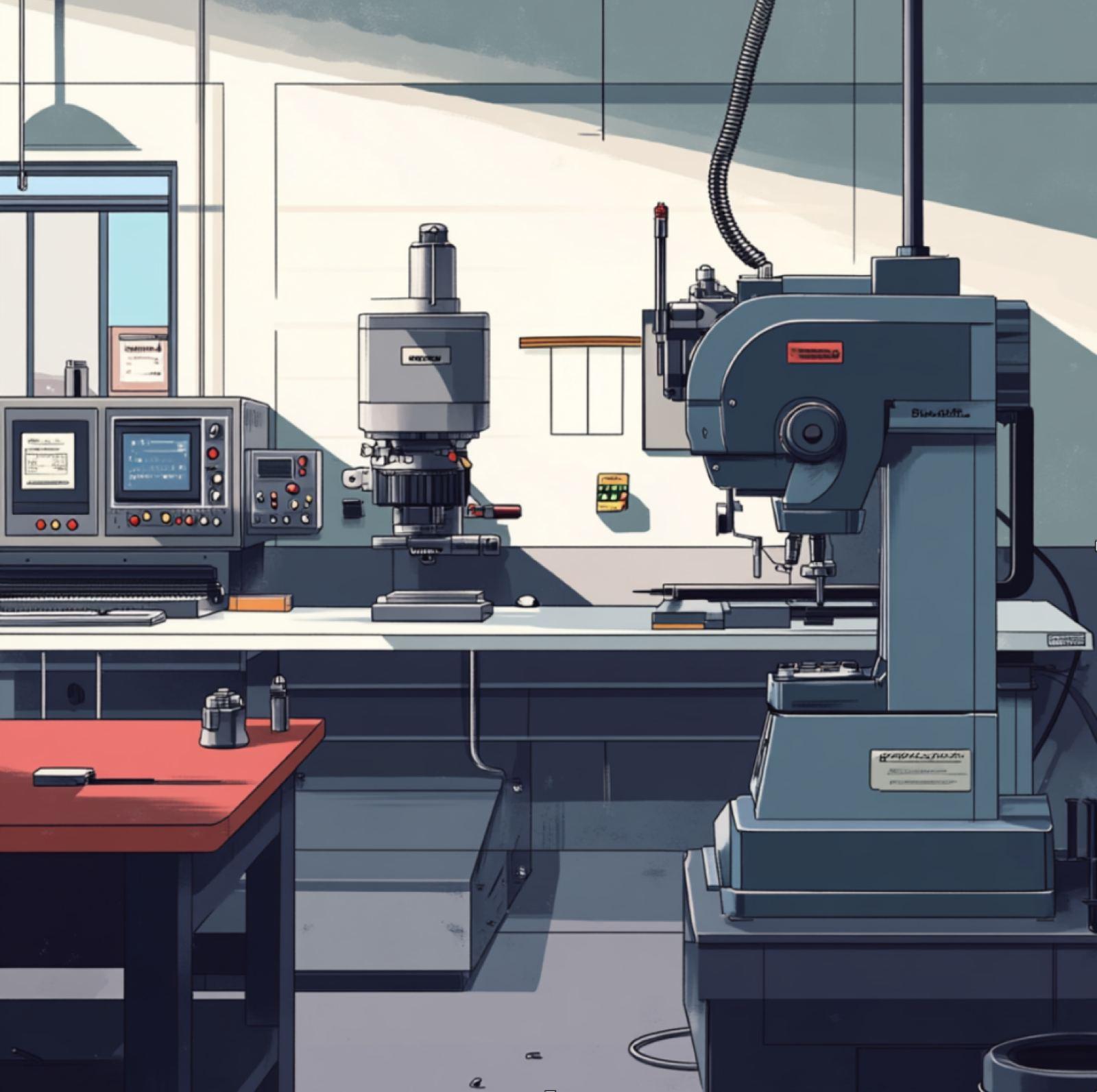
Is your machine guarding strategy truly protecting your workers? While addressing specific machinery safety issues (such as machine guards and interlocks) is necessary, don't think you can address one of those issues in isolation and then be done. It can make sense to start with one issue — such as lockout/tagout compliance or machine guarding — but stopping there can miss critical interrelated hazards.
We start with a machine guarding or control of hazardous energy project (COHE) all the time, and it often makes sense as a starting point. However, doing an intervention on one issue and stopping there can miss how the interconnected nature of workplace hazards involves multiple issues.
Many industrial environments present risks beyond traditional machine guarding measures. In addition to the primary machine safety issues of LOTO/COHE, guarding, and electrical safety, factors such as ergonomic strain, noise exposure, chemical hazards, and work at heights must be considered alongside machinery safety to develop a meaningful risk reduction strategy.
At Citadel, our safety consulting expertise takes a broader view of machinery safety. We evaluate not just the machine guarding hazards themselves, but the way work is performed, the interactions between workers and machinery, and the systemic factors that influence risk. A machinery safety program that accounts for these elements is not only more effective in preventing injuries but also more likely to gain buy-in from those who interact with these systems daily.
A well-designed machinery safety strategy should be both targeted and comprehensive, capable of addressing individual machine guarding risks when necessary while still considering the broader implications of workplace design, operational flow, and human factors. We possess extensive internal knowledge across the spectrum of workplace safety and health topics, and we deploy highly specialized expertise to deliver solutions that are precise, practical, and effective.
Reducing workplace injuries requires more than just meeting regulatory requirements for machine guarding. It demands a thoughtful, systems-based approach to machinery safety that acknowledges the realities of industrial work.
Related services
Related sectors
Topics