Oil Well Abandonment: Considerations for Redevelopment
Southern California faces an acute shortage of developable land. These circumstances have renewed focus on addressing thousands of abandoned oil well properties throughout the region.
Introduction
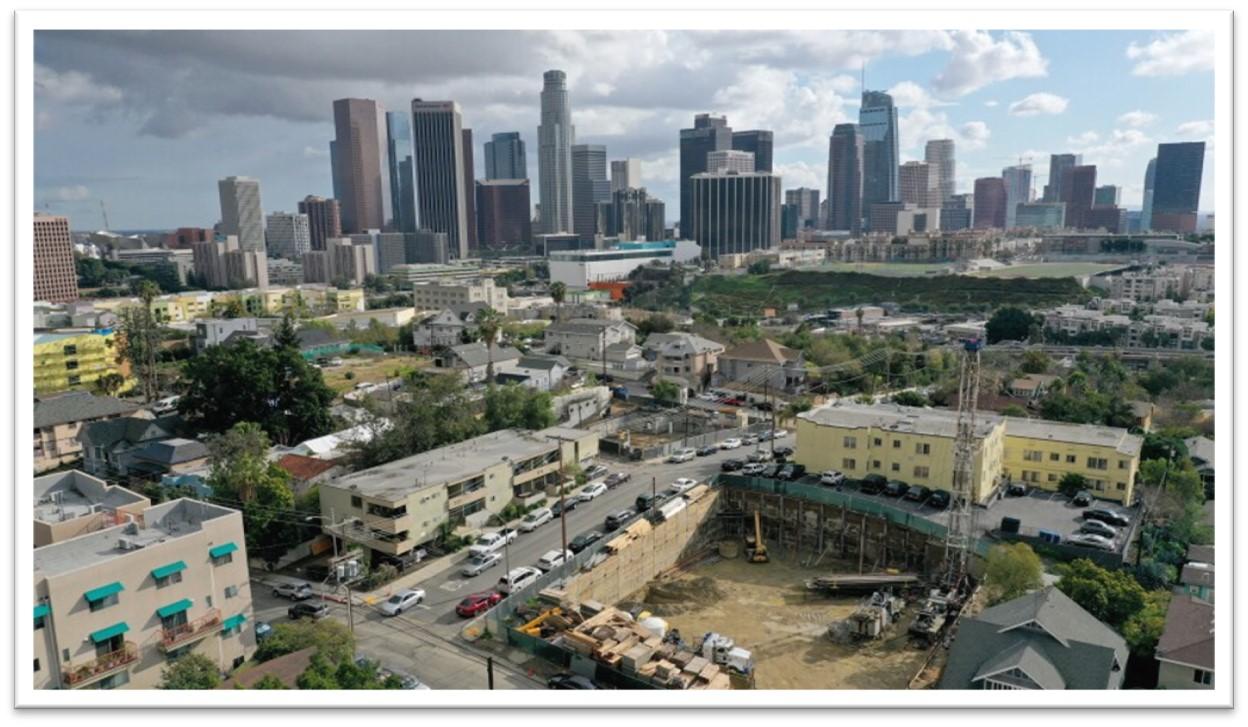
Southern California faces an acute shortage of developable land, driving up property costs and exacerbating an affordable housing crisis. Environmental regulatory complexity adds another layer of difficulty. These circumstances have renewed focus on addressing thousands of abandoned oil well properties throughout the region.
Current State of Abandoned Wells
According to CalGEM, approximately 225,000 oil wells have been drilled in California since 1876. The state currently has over 126,000 abandoned wells, with nearly 17,000 in Los Angeles County alone. Additionally, more than 38,000 wells remain idle and require proper abandonment.
Development Challenges
The presence of an abandoned well — or even its suspected presence — can completely derail redevelopment efforts. Building over existing wells is generally prohibited without CalGEM regulatory review.
When Remediation is Required
Wells that fail to meet current abandonment standards or exhibit methane gas leaks require remediation, potentially involving wellhead and wellbore casing repairs, re-abandonment procedures, and installing vent cones to safely collect and disperse methane emissions.
Case Study: Tracy Distribution Center Project
Citadel was engaged to evaluate an abandoned, buried oil well at a site slated for conversion into a 500,000-square-foot distribution center in Tracy, California. Under CalGEM guidance, the team re-abandoned the well by lowering the casing to permit construction of the proposed building over the well location.
Citadel's Expertise
With over twenty years of in-house oil field experience, the firm offers comprehensive services: regulatory navigation, buried well location, methane testing, wellbore integrity assessment, and full or re-abandonment services.
Related services
Related sectors
Topics