DTSC Cleanup in Vulnerable Communities Initiative
California Department of Toxic Substances Control (DTSC)
San Francisco Bay Area, CA
Client
California Department of Toxic Substances Control (DTSC)
Location
San Francisco Bay Area, CA
Primary Service
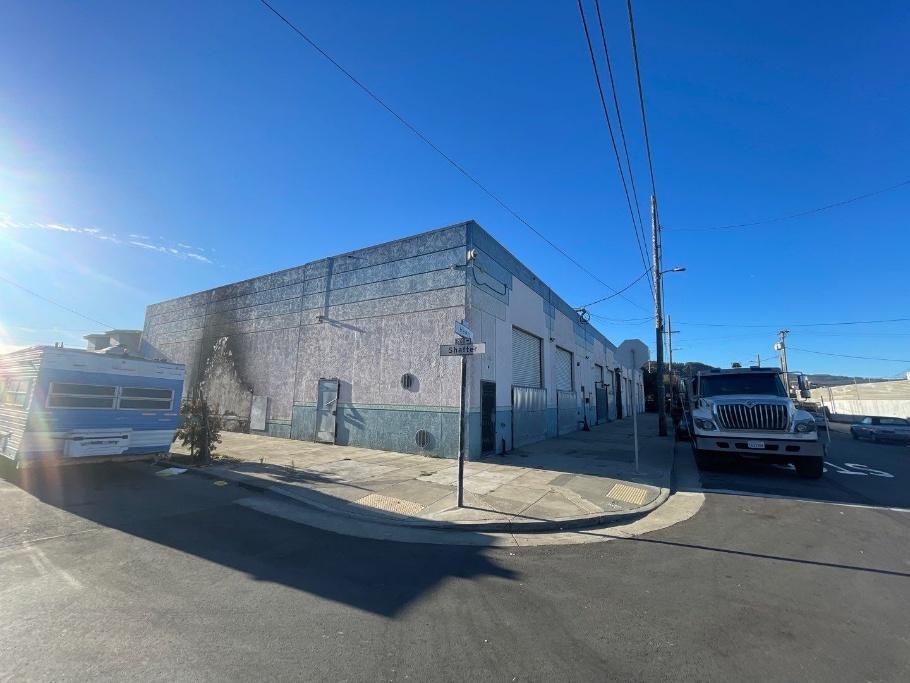
Engineering & Environmental SciencesAs part of the California Department of Toxic Substances Control's (DTSC) Cleanup in Vulnerable Communities Initiative (CVCI), Citadel EHS provided Phase I Environmental Site Assessments and Discovery Investigations (DIs) for a portfolio of former and current dry cleaner sites throughout the San Francisco Bay Area. The project involved the environmental assessment of commercial and/or residential property historically used for dry cleaning operations, which is a recognized environmental concern due to the historical use of tetrachloroethene (PCE).
To support the DI portion of DTSC’s Discovery and Enforcement (D&E) Program, Phase I ESAs were conducted to perform all appropriate inquiries into the historical ownership and use of the sites. The Phase I ESAs adhered to ASTM E1527-21 standards and the U.S. Environmental Protection Agency’s (USEPA) All Appropriate Inquiries (40 CFR Part 312) and incorporate elements from DTSC’s Phase I checklist.
The DIs were conducted in accordance with DTSC's D&E Program to evaluate the presence and extent of chemicals of potential concern (COPCs) in groundwater, soil vapor, and/or indoor air that could potentially pose risks to the surrounding underserved communities.
Citadel EHS developed and implemented a DTSC-approved Work Plan. The investigation activities included the advancement of borings for grab groundwater sampling, installation and sampling of sub-slab vapor points and soil vapor probes, and sampling of indoor and outdoor air. Several of the sites within the portfolio were found to contain elevated concentrations of PCE and its breakdown products (i.e., trichloroethene [TCE], cis/trans-1,2-dichloroethene [DCE], and vinyl chloride) that exceeded regulatory screening levels. At some sites, total petroleum hydrocarbons (TPH) and petroleum-related volatile organic compounds (VOCs) were detected at concentrations that exceeded regulatory screening levels.
A DI Report was prepared to document the completion of the CVCI DI activities and evaluate whether further investigation and/or corrective actions were warranted relative to the CVCI D&E Program. This report included development of a preliminary conceptual site model to identify the exposure pathways considered to be potentially complete and significant and identification of potential data gaps. In addition, a human health risk evaluation (HHRE) was conducted to estimate cancer risks and noncancer hazards for potential current and future receptors.
For those sites with COPCs detected at concentrations that exceed the regulatory screening levels and estimated cancer risks and noncancer hazards that exceed acceptable thresholds, Citadel EHS recommended additional investigations to evaluate the data gaps, ensure a comprehensive evaluation of site conditions, further characterize human health risks, and inform potential remedial action strategies. Citadel EHS continues to support DTSC with next-step planning to protect the community.
Citadel’s ability to meet CVCI program requirements, adhere to rigorous quality assurance and quality control (QA/QC) standards, and manage complex and compressed field logistics underscores our strength in environmental site investigations.
Through this project, Citadel reaffirmed its commitment to supporting revitalization efforts in vulnerable communities.
Highlights:
- DTSC Cleanup in Vulnerable Communities Initiative (CVCI)
- Portfolio of former and current dry cleaner properties throughout the San Francisco Bay Area
- Phase I Environmental Site Assessments and Discovery Investigations
- Groundwater, soil vapor, sub-slab vapor, and indoor air investigations
- Human Health Risk Evaluations for multiple exposure scenarios
- Development of Conceptual Site Models and data gap analyses
- Support for community protection and future corrective action planning
Related Work
Explore More Projects



Start a project
Facing something similar on your project?
Tell us where things stand. We'll route you to the practice leaders who've handled it before — typically within one business day.